
Roof repair in Courtenay
Valley-floor houses and homes higher in the hills do not see the same weather, and neither do harbour streets and shaded back lots. Call (778) 924-7239 or use the contact form. We match you with a local roofer, and the match is free.
This is a free match, not a roofing company. A local roofer does the work and gives you the price.
Three weathers, and your roof meets all of them
The valley runs from the shore up into the hills. Where the house sits decides what the roof takes.
Rain and moss
A long wet season soaks the covering and feeds moss wherever the slope stays in shade.
Wet, heavy snow
Higher ground carries more snow. The weight, then the melt, finds the weak joint.
Wind and falling debris
A winter blow brings branches, and it lifts shingles that were only sitting loose.
Every roof type has its own weak spots
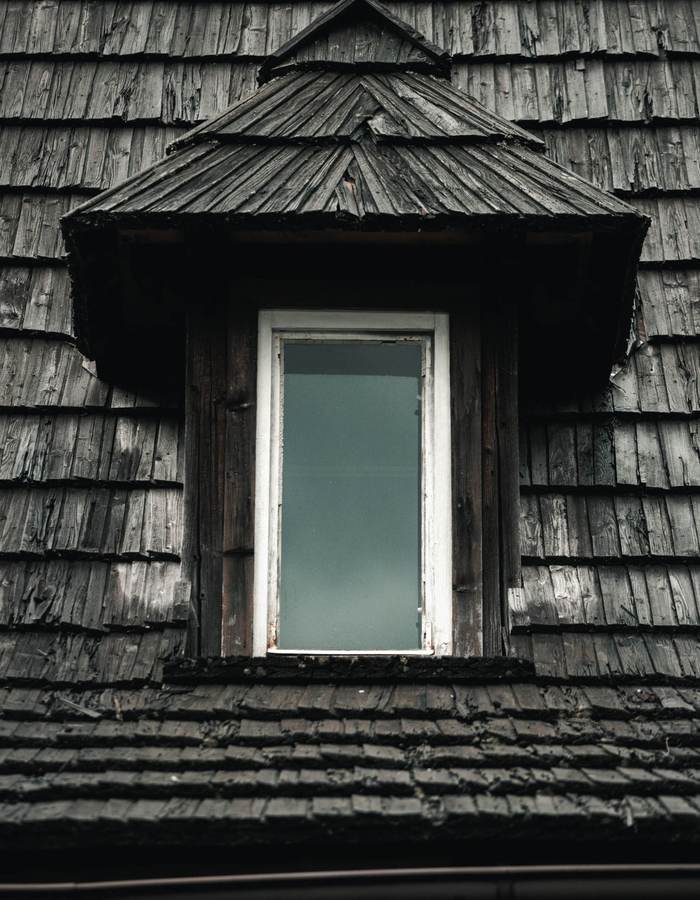
Cedar shake
Beautiful and demanding in a wet climate.
- Moss and rot in shaded areas
- Split or curled shakes
- Worn flashing at dormers
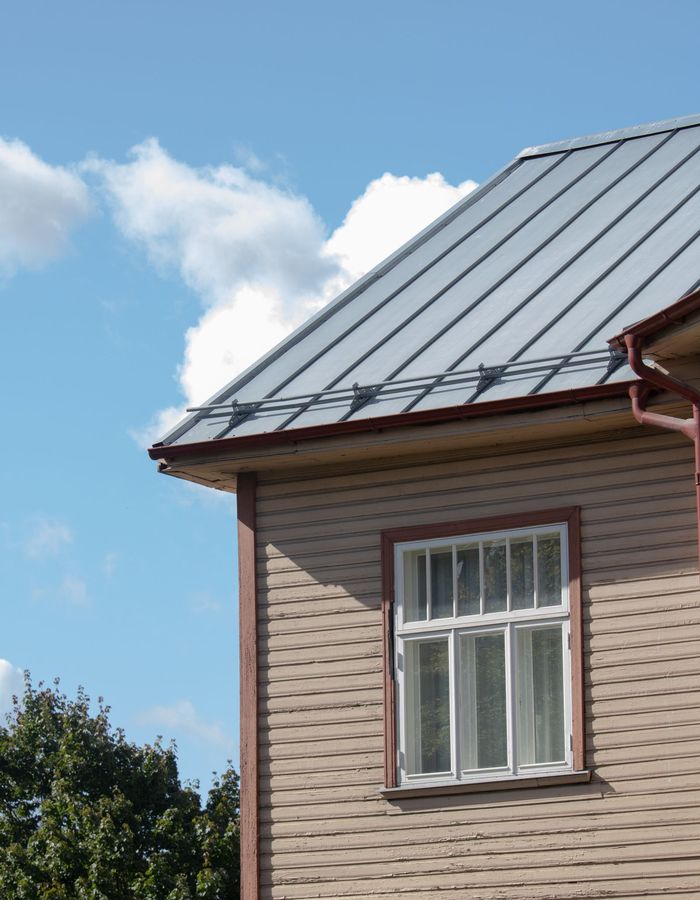
Metal
Tough, but seams and fasteners need attention.
- Loose or backed-out screws
- Failing seam sealant
- Snow sliding off in sheets
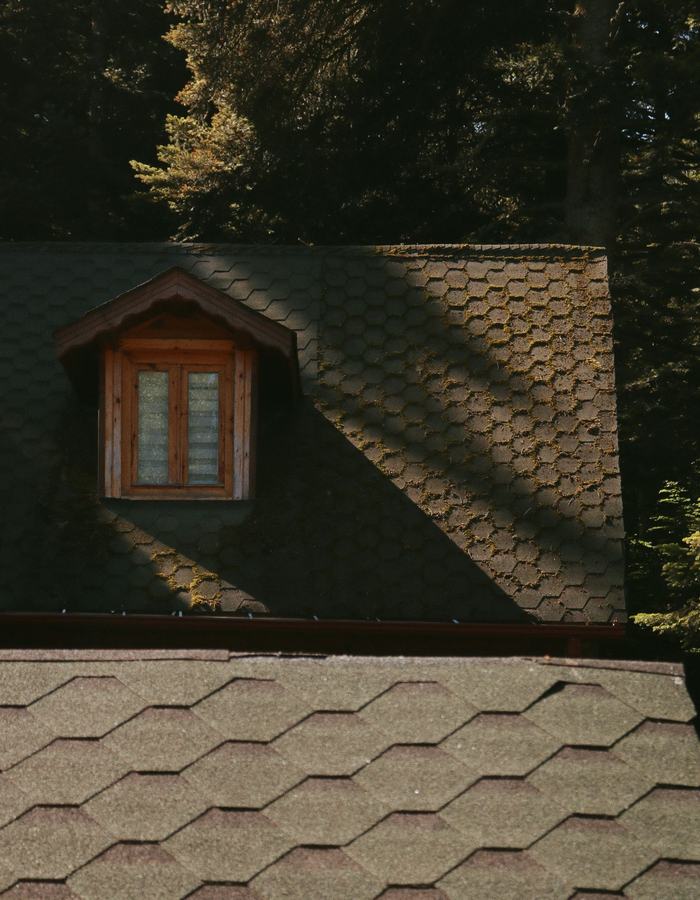
Asphalt shingle
The most common roof in the valley.
- Granule loss and curling
- Lifted tabs after wind
- Leaks at vents and chimneys
Tell us the problem. We find the roofer.
Roof leak repair
Find the source and stop the water.
02Storm damage
Lifted, cracked or missing roofing after wind.
03Flashing and chimney
Seal the joints where roofs meet walls and chimneys.
04Moss treatment
Clean and treat moss before it lifts the roof.
05Snow and ice damage
Repairs after a heavy wet snow season.
06Emergency tarping
Cover the roof now. Repair when conditions allow.
When the snow turns to rain, the leaks show up.
Warm spells after heavy snow are when many roofs start to drip. Save the number now.
(778) 924-7239Know what you are looking at
Simple and free
Call or send the form
Describe the problem. A photo helps.
We match you
We pick a local roofer who does that repair.
They contact you
The roofer books a time and quotes you directly.
You decide
Say yes or no. Matching costs you nothing.
5 questions to ask any roofer
- Who will be on the roof, and what paperwork do they carry?
- Do you carry WorkSafeBC coverage?
- Will you find the cause, not just patch it?
- What does the written quote include?
- What warranty covers the repair?
Across the Comox Valley
Where the rivers meet the harbour
Courtenay sits on low ground, about 13 metres above sea level, where the Puntledge and Tsolum rivers join to form the Courtenay River. That short river runs roughly 2.6 kilometres to Comox Harbour and spreads into a tidal estuary. The estuary is also where Baynes Sound begins, running south between Vancouver Island and Denman Island. Behind the town, the land climbs west toward Mount Washington, which rises to about 1,590 metres, and inland to Cumberland, a few kilometres northeast.
That geography is the reason roofing advice for this valley changes from street to street. A house near the estuary or the harbour is open to wind and salt air. A house in a stand of firs on a rise gets shade, drip and fallen needles. A house in Cumberland or on the climb toward the mountain can see snow that never settles on the shoreline. When you call, saying which of those you are living in is more useful to a roofer than a street number.
What the rain record says
Environment and Climate Change Canada's 1981 to 2010 normals for the Comox Airport station list 1,153.6 millimetres of precipitation in an average year. Of that, 1,096.5 millimetres falls as rain, and snowfall averages 55.0 centimetres. For comparison, the same kind of record for Penticton, in the dry Okanagan, is about a third of the Comox total. A Comox Valley roof spends far more of its life wet.
Wet roofs fail slowly and quietly. Moss and algae take hold on any slope that stays shaded, and a moss mat holds water against the shingle edge instead of letting it shed. Granules wash into the gutter. Nail heads work loose as boards swell and dry. Needles and maple leaves pack valleys, so water backs up under the covering at the exact place where two slopes deliver their runoff. By the time the ceiling stains, the opening has often been working for a season.
Snow is a smaller part of the story at sea level, but it is real. A wet snowfall followed by a warm rain puts weight on the roof and then sends it off in a rush, which is hard on gutters, snow-exposed flashing and the lower edge of a metal roof. Houses higher up the valley get more of it.
Six kinds of address, six kinds of roof
- Downtown Courtenay and the streets around 5th Street mix older houses, small commercial buildings and low-slope sections that hold water. Ponding is the usual concern on flat or nearly flat areas.
- West Courtenay, toward the Puntledge, is steady rain, mature trees and a lot of chimneys and porch roofs. Flashing joints between old and new roof sections are the usual weak points.
- Crown Isle is a master-planned community of newer roofs. Leaks on a young roof are usually a single failed pipe boot, a skylight curb or a valley, not a tired covering.
- Comox faces the harbour and the marina. Wind and rain come off the water, and streets back from the shore trade wind for shade and moss.
- Cumberland climbs inland. Rain is heavy, trees are tall and debris is steady. Older roofs there often carry a coating of needles that holds water.
- Royston, Union Bay, Fanny Bay and Merville sit outside the three municipalities in regional district territory. The Baynes Sound communities see open water on one side and trees on the other, and Merville sits on longer lots under firs.
Four permit desks, and why the address matters
Four offices cover roofs in this valley, and mixing them up is the most common delay. The City of Courtenay applies Building Bylaw No. 3114. That bylaw says an owner must get a permit before repairing or altering a building, subject to its exemptions, and it does not name roof coverings in its exemption list, so ask the City building official about your scope before you book a tear-off. The Town of Comox uses Building Bylaw No. 1472. The Village of Cumberland uses Building Bylaw No. 949. Everything outside those three, including Royston, Union Bay, Fanny Bay and Merville, falls to the Comox Valley Regional District, whose building bylaw is No. 681. This page does not give legal advice. A building official can tell you in a short call what applies to a given lot, and the roofer you are matched with will know the local habits.
Moss: what to do and what to avoid
Moss is the first thing most Comox Valley owners see and the first thing a roofer will mention. Treating it helps when the shingle underneath is still sound, and it slows regrowth. It does not repair a soft deck or replace worn granules. Hard pressure washing can strip granules and drive water under the covering, so ask any roofer how they clean and what they use. Zinc or copper strips near the ridge are a common way to slow regrowth, though they work best on a roof that is already clean. Trimming back branches that shade the slope often does more than anything applied to the shingles.
What changes the size of a roofing job here
Nobody on this site can quote you a number, and a figure from a stranger without a ladder is only a guess. These are the real drivers of a quote.
- The size and pitch of the roof, and how many separate slopes and valleys it has.
- The covering: asphalt shingle, cedar shake or metal each have a different materials and labour picture.
- Rot in the deck, which only shows when the old covering comes off.
- The number of layers already on the roof.
- Trees close to the house, which add cleanup and risk.
- Chimneys, skylights, dormers and vent stacks, each needing its own flashing.
- Gutters and fascia that have been wet for years and may need to be replaced with the roof.
- Which permit desk covers the lot and whether any permit applies.
When water is coming in tonight
Move people and furniture away from a bulging ceiling, put a bucket under the drip and keep off the roof. Take photos of the ceiling, the attic if you can reach it safely, and any damaged shingles you can see from the ground. A tarp on a wet, windy roof is dangerous to put on without the right gear, and a poorly placed tarp can trap water against the deck, so leave that choice to the roofer. If the building is unsafe or water is near electrical wiring, call 911 first. When you are safe, call (778) 924-7239, say which community you are in and tell us that water is active.
Roof leaking? Let us find you a roofer.
Free matching. A local Comox Valley roofer calls you directly.
Harbour streets, then the hills
A Comox house looking at the marina takes wind and rain off the water. A few streets inland, the shaded slope holds moss and leaves. Crown Isle splits the same way. Fairway lots catch wind at the rake. Streets behind trees hold moss, and a young roof there usually leaks at one pipe boot or one skylight. South of town, Royston, Union Bay, and Fanny Bay keep that split between open water and trees.
Cumberland climbs. Rain is heavy, streets rise, and tall trees drop debris on older roofs. Merville sits under firs on longer driveways, with wind mainly on the open fields. West Courtenay, toward the Puntledge, is steady rain, chimneys, and porch joints. Downtown shops along 5th Street have low roofs that hold water. Houses behind them have attics and ordinary asphalt.
A patch, or a roof that is done
Treat it as a repair when water uses one opening, a few shingles have lifted, or flashing has pulled off a wall. Talk about replacement when that opening was closed and the ceiling still rings in the rain, when tabs are cracked across a slope, or when the deck feels soft.
Valley storms push rain sideways and drop limbs on ridges. A blue tarp sometimes covers the hole and sometimes traps water against the deck. If the ceiling is bulging, stay out from under it. Then phone (778) 924-7239, say the water is active, and name the community. Comox, Cumberland, and Courtenay do not share a building desk.
Services
Areas we cover
When Courtenay houses were built, and what that says about the roof
Most roof calls in this city start with a stain, but the age of the house tells a roofer what to expect before they get there. The 2021 census counted 13,000 occupied homes in the City of Courtenay, and they were not all built at once.
The biggest single stretch was 1991 to 2000, with 3,135 homes. A house from that decade has had its roof for 25 years or more, which is about when a lot of asphalt shingle roofs on this coast are on their way out. If you bought one and the seller could not tell you when it was last reroofed, that is worth saying when you call.
Another 2,765 went up between 1961 and 1980, and 1,155 date from 1960 or earlier. Those roofs are almost always on their second or third covering. Ask the roofer to check whether new shingles were laid over old ones, since a second layer hides soft decking and adds weight.
Newer stock is smaller: 1,295 homes from 2016 to 2021, and 3,020 from 2001 to 2015. On a roof that young, a leak is more often a single detail, such as a vent boot, a skylight curb or a valley, than a worn-out field of shingles.
Shape matters too. Courtenay has 6,515 single-detached houses, but also 1,920 semi-detached homes, 970 row houses and 2,685 apartments in buildings under five storeys. If you share a wall, you probably share the roof. The neighbour, or the strata council, needs to be in the conversation before anyone books a tear-off.
The census also counted 385 movable dwellings in the city. A mobile or manufactured home roof is usually low-slope and is often metal or a rolled covering, so mention it up front. Some roofers do not take that work.
Last, 640 Courtenay households told the census their home needed major repairs. If the roof is one of several problems, say so. The roofer can tell you which job should come first.
Housing counts: Statistics Canada, 2021 Census of Population, Census Profile.
Checks that do not depend on this website
Four councils share this valley, so the paperwork changes from one street to the next. These checks hold for every one of them.
- Before the ladder goes up, pull a WorkSafeBC clearance letter for the roofer's business. It is free, and WorkSafeBC says homeowners can be liable for premiums a contractor did not pay.
- Roofing is not a compulsory licensed trade in B.C. (WorkBC says certification is not mandatory), so ask about insurance, a business licence, and the scope in writing.
- A City of Courtenay address is under Building Bylaw No. 3114. Comox, Cumberland and the Comox Valley Regional District each run their own building desk.
- The Roof Repair Courtenay Facebook Page lists the same (778) 924-7239 number. This site shows no reviews, because none have been collected.
Straight answers
Which opening is still a repair?
One leak path, a handful of lifted shingles, or flashing that has pulled off a wall. Cracked tabs across a slope, a soft deck, or a patch that did not hold are reasons to talk about replacement.
What do I do if a limb opens the roof tonight?
Get people clear of a bulging ceiling. Leave the tarp decision to the roofer. Call (778) 924-7239, name the community, and say the water is active.
Is the match a quote?
No. Matching is free. The contractor inspects, explains, and prices the work. This site does not employ a crew.
Does moss mean I need a new roof?
Not by itself. Moss tells you the slope stays wet, and it can hide broken tabs, but a roofer has to look at the shingle and the deck underneath before anyone says replacement. Many mossy roofs can be cleaned and kept going when the covering is still sound.
Do Comox and Cumberland use the Courtenay permit desk?
No. The City of Courtenay, the Town of Comox and the Village of Cumberland each administer their own building bylaw, and the regional district covers lots outside them, including Royston, Union Bay, Fanny Bay and Merville.
How much rain does the Comox Valley get compared with the dry Interior?
Environment and Climate Change Canada's 1981 to 2010 normals for Comox Airport show 1,153.6 millimetres of precipitation a year, with 55.0 centimetres of snowfall. Penticton, in the dry Okanagan, records 346.0 millimetres. A Comox Valley roof is wet for much of the year.
Can I clean the moss off my roof myself?
It is safer to leave roof work to a roofer. A wet, mossy roof is slippery, and hard pressure washing can strip granules from the shingles. From the ground you can trim back branches that shade the slope and keep the gutters clear.